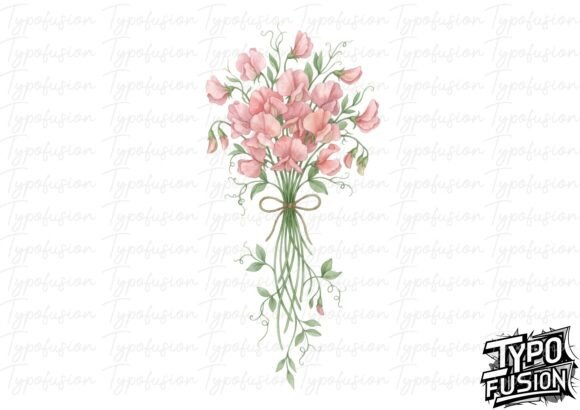
Sweet Pea Watercolor Clipart: A Practical Evaluation for Digital Designers
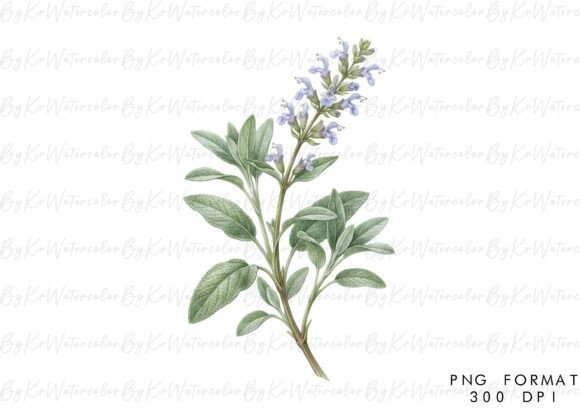
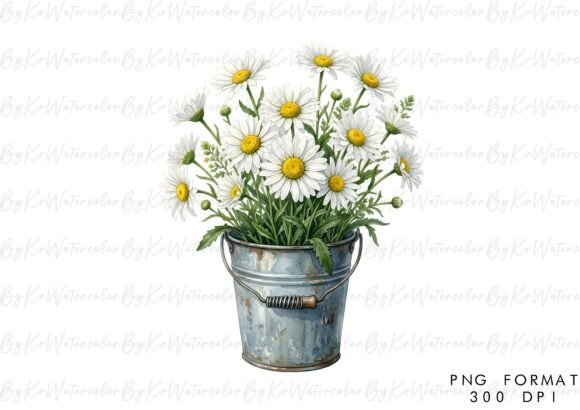
Sweet Pea Watercolor refers to a digital illustration style that captures the delicate, organic qualities of sweet pea blossoms using soft watercolor textures and naturalistic color gradients. These are not photographs or vector drawings, but high-resolution raster images—specifically, PNG files rendered at 300 DPI with fully transparent backgrounds. They are distributed as instant digital downloads, intended for immediate integration into creative workflows without physical delivery or watermark restrictions.
Why Consider Sweet Pea Watercolor Clipart?
Designers often seek botanical elements that balance realism with artistic warmth. Sweet pea motifs offer visual appeal rooted in tradition—associated with elegance, gratitude, and springtime—yet remain versatile enough for modern applications. The watercolor rendering adds subtle texture and variation, distinguishing these files from flat vector icons or overly crisp stock photos. This makes them especially relevant for projects where authenticity and tactile nuance matter: handcrafted greeting cards, wedding stationery, or artisanal print-on-demand products.
Key Benefits and Real-World Utility
The inclusion of a transparent background means no manual clipping is required before layering onto colored paper, patterned backgrounds, or product mockups. At 300 DPI, the files retain clarity when printed at common sizes—up to 8×10 inches without visible pixelation—making them suitable for physical outputs like wall art prints, gift wrap, or sublimation transfers on mugs and tumblers. Because they arrive as ready-to-use PNGs, there’s no need for specialized software to extract subjects or adjust resolution.
Users report efficiency gains when building cohesive design systems: a single Sweet Pea Watercolor file can be resized, recolored via blending modes, duplicated across layouts, or combined with typography and other botanical elements without quality loss. This consistency supports branding efforts for small businesses producing themed collections—such as seasonal scrapbooking kits or wedding invitation suites—where visual harmony across multiple deliverables is essential.
Tradeoffs and Technical Considerations
As raster graphics, Sweet Pea Watercolor files do not scale infinitely. Enlarging beyond their native dimensions (typically around 3000–4000 pixels wide) will eventually reveal pixelation. For applications requiring extreme scalability—like large-format wall murals or billboard graphics—vector alternatives may be more appropriate. Similarly, because watercolor textures are embedded in the image itself, precise color editing (e.g., isolating and adjusting only the petal hue without affecting the wash effect) is limited compared to layered PSD files or editable vectors.
Transparency simplifies compositing but also means the file contains no built-in shadows, drop effects, or background context. Designers needing dimensional depth must add those elements manually. Additionally, while the absence of watermarks supports professional use, it also means users bear full responsibility for licensing compliance—especially important when distributing derivative works commercially.
When Sweet Pea Watercolor Is a Strong Fit
This resource aligns well with creators working on mid-scale print projects where texture enhances perceived value. Examples include:
- Independent stationery designers producing wedding invitations with soft, romantic aesthetics;
- Print-on-demand sellers creating themed t-shirts, tote bags, or phone cases that benefit from painterly detail;
- Scrapbookers and junk journalers seeking authentic, non-generic botanical accents;
- Educators or craft instructors preparing printable lesson materials featuring nature-based themes;
- Small-batch artisans designing custom gift wrap or cushion covers where subtle imperfection signals handmade quality.
In each case, the combination of resolution, transparency, and stylistic character reduces time spent sourcing, editing, and testing assets—allowing focus to remain on composition and messaging.
When Alternatives May Be Worth Exploring
If your workflow prioritizes flexibility over aesthetic specificity, vector-based sweet pea illustrations could offer greater adaptability. Vectors allow unlimited resizing, individual path editing, and easy recoloring through swatches—advantageous for brands maintaining strict color palettes or designers iterating rapidly across formats. Free or low-cost SVG repositories may suffice for basic use cases, though quality and stylistic cohesion vary widely.
Photographic sweet pea assets provide higher fidelity in terms of botanical accuracy and lighting realism—useful for scientific illustration, horticultural branding, or editorial layouts emphasizing authenticity. However, they rarely include clean transparency and often require licensing review for commercial reuse.
For users needing multiple coordinated elements—like stems, leaves, buds, and full blooms arranged in consistent perspective—curated clipart bundles (rather than single motifs) may better support complex scene-building. Likewise, designers integrating motion graphics or interactive media may prefer layered PSD or AI files that separate components for animation or interactivity.
Making an Informed Decision
Before acquiring Sweet Pea Watercolor clipart, assess your output requirements first. Ask: What is the largest physical size I’ll print this at? Do I need to modify individual color channels or isolate parts of the bloom? Will this appear alongside other illustrated elements—or stand alone against solid color backgrounds?
If your answer involves frequent resizing across diverse formats, prioritize vector sources. If you value texture and atmosphere over technical editability, Sweet Pea Watercolor delivers tangible advantages. Also consider how many variants you’ll need: some providers sell single files, while others offer sets with varying angles, stages of bloom, or complementary foliage—impacting long-term versatility and cost per asset.
Finally, verify technical compatibility. Ensure your design software supports PNG import and transparency handling (most do, including Canva, Adobe Photoshop, Affinity Designer, and Cricut Design Space). Check whether your printer or production partner accepts 300 DPI raster inputs—standard for most commercial print services, but less ideal for screen-only distribution where lower resolutions reduce file size and load times.
Sweet Pea Watercolor clipart occupies a specific niche: it bridges illustrative charm and practical utility. Its strength lies not in universal applicability, but in reliably meeting defined needs—particularly for creators valuing aesthetic cohesion, print readiness, and ease of integration. Understanding those boundaries helps ensure the asset serves its purpose without introducing unexpected constraints downstream.