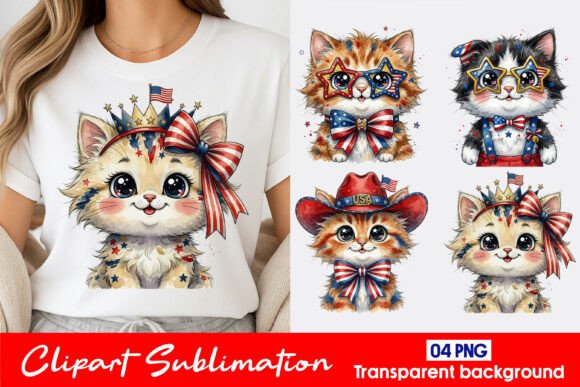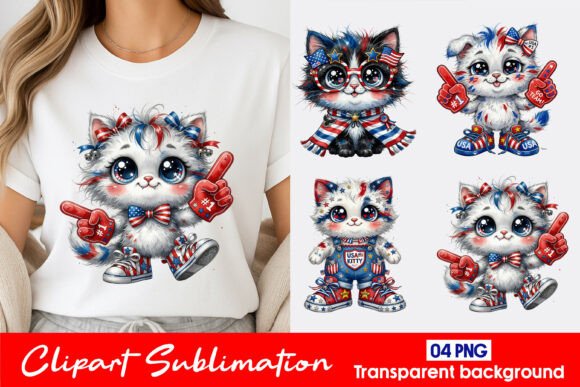
Star Cat Clipart PNG
If you’ve ever scrolled through design marketplaces searching for a playful yet polished visual element that instantly lifts a layout—something with charm, clarity, and quiet confidence—you’ve likely paused on Star Cat Clipart PNG. These aren’t just cartoon cats with sparkles. They’re thoughtfully crafted digital illustrations: clean outlines, balanced negative space, expressive but not exaggerated features, and that subtle “star” motif integrated with intention—not tacked on. Each cat carries a gentle personality: curious, calm, or quietly mischievous—never cloying, never generic. The style sits comfortably between modern minimalism and hand-drawn warmth, making it versatile without sacrificing character.
Where Star Cat Clipart PNG Fits Naturally
This set of four high-resolution PNG files works where many clipart collections fall short: in real projects with real constraints. Because they’re transparent-background, 300 DPI, and carefully anti-aliased, they scale cleanly across both digital and print contexts. You’ll find them adding quiet distinction to social media banners—not as the focal point, but as an anchoring visual cue that reinforces tone. A small star cat tucked into the corner of a newsletter header? It signals approachability without shouting. On product packaging for a small-batch candle brand? It lends tactile charm without competing with typography or photography. In editorial layouts—say, a lifestyle blog’s “cozy weekend” feature—the cats serve as visual breathing room between dense text blocks, guiding the eye without distracting from content.
They also hold up in branding applications where consistency matters but rigid formality doesn’t. Think business cards for a pet-sitting service that wants warmth over corporate sterility, or printable planners where users appreciate whimsy grounded in clarity. Even educators building classroom resources use these files—because the cats read clearly at small sizes (down to 48px), and their neutral expressions avoid cultural or age-specific assumptions.
Why Resolution and Format Matter More Than You Think
The “✔️300 DPI print quality” isn’t just marketing language—it’s functional assurance. When you’re designing a greeting card, a fabric label, or a sticker sheet, pixelation at the edges kills perceived professionalism. These PNGs render crisply whether embedded in an Illustrator artboard, placed into InDesign for a zine, or dropped into Canva for a quick Instagram Story. And because they’re true vector-derived raster files—not upscaled JPEGs—they retain fidelity when resized upward for posters or downward for app icons.
The transparency layer is equally practical. No need to spend time masking or refining edges before dropping into layered comps. That saves minutes per file—and those minutes add up across a full branding suite. For creators juggling multiple clients or launching seasonal campaigns, that reliability means fewer revision rounds and faster turnaround.
How to Choose—and When to Pass
Not every project needs a star cat. Ask yourself: does this piece benefit from soft visual punctuation? If your layout already uses strong illustration, custom photography, or bold iconography, adding another figurative element may dilute focus. But if your design leans heavily on typography alone—or relies on stock vectors that feel impersonal—Star Cat Clipart PNG offers a distinctive middle ground: illustrative, but not overwhelming; friendly, but not childish.
Test fit by placing one file in context—not isolated on white. Try it at three sizes: large (as a hero graphic), medium (inline with body copy), and small (as a bullet or divider). Does it support hierarchy or compete with it? Does its tone align with your audience’s expectations? A finance newsletter might skip it. A mindfulness app’s onboarding flow? It could be just the right touch of grounded playfulness.
Also check licensing clarity. These are digital downloads intended for commercial use—including client work—so long as you’re not reselling the files themselves or claiming authorship. That covers everything from Etsy shop banners to printed brochures for local nonprofits. Just remember: no physical items ship. What you get is immediate access, ready to drop into your workflow.
Pairing Thoughtfully—Not Just Matching
These cats don’t require “matching” fonts—but they do respond well to intentional pairing. Avoid overly ornate scripts or ultra-thin sans serifs that clash with their gentle weight. Instead, consider contrast with purpose: pair them with a sturdy, open-spaced sans serif like Inter or Poppins for digital interfaces, or a warm, slightly rounded serif like Literata for print publications. The goal isn’t visual harmony at all costs—it’s creating a relationship where the cat adds warmth and the type delivers clarity.
In logo design, treat them as supporting elements—not primary marks—unless your brand identity is explicitly built around feline motifs. Used sparingly (e.g., as a favicon variant or email signature accent), they reinforce recognition without compromising scalability.
A Final Note on Practicality
What makes Star Cat Clipart PNG stand out isn’t novelty—it’s execution. Four files may sound minimal, but each serves a distinct compositional role: front-facing, profile, sitting upright, and curled. That variety lets you maintain visual rhythm across multi-page documents or social series without repeating the same pose. And because they’re delivered as individual PNGs—not a single sprite sheet or ZIP with unclear naming—you can locate and insert exactly what you need, fast.
So if you’re assembling assets for a new brand launch, refreshing a blog’s visual language, or building templates for recurring client deliverables, these files earn their place not as decoration—but as reliable, reusable design infrastructure. They won’t solve every problem. But in the right context, they help make good work feel more human.
Thank You Put it in your cart now. Don’t forget to follow up to stay updated with our offer.