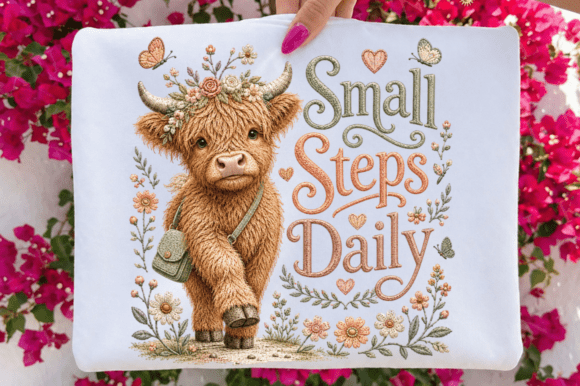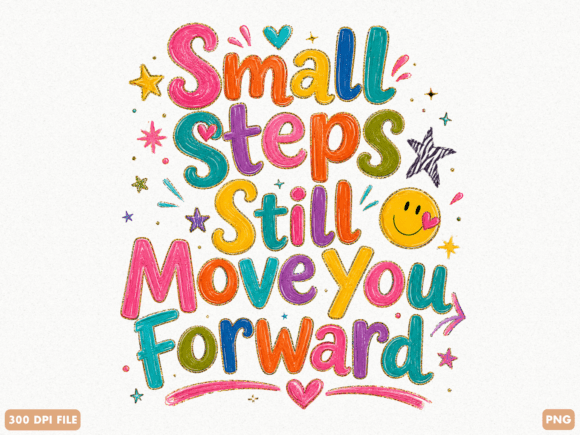
Small Steps Still Move You PNG
If you’ve searched for uplifting, versatile design assets—especially ones that resonate emotionally while working flawlessly across products—you’ve likely encountered the Small Steps Still Move You PNG. It’s more than just a phrase in soft script or playful typography. This high-resolution digital file is intentionally crafted for real-world use: sublimation, print-on-demand platforms, DIY crafts, and small business merchandising. Its transparent background, 300 DPI clarity, and RGB color mode mean it drops cleanly onto mugs, T-shirts, tote bags, stickers, phone cases, pillows, and wall art—without extra editing or guesswork.
What People Often Misunderstand About This Design
Many assume “cute” automatically means “low-effort to use.” That’s not always true—even with something as seemingly simple as Small Steps Still Move You PNG. A few common oversights quietly undermine results:
- Assuming all PNGs are created equal. Some sellers offer low-res files (72 DPI), compressed layers, or opaque backgrounds disguised as “transparent.” When printed on light-colored fabric or sublimated onto ceramic, those flaws show up instantly: fuzzy edges, visible white halos, or color shifts. This isn’t just an aesthetic hiccup—it affects perceived brand quality and customer trust.
- Overlooking color mode compatibility. CMYK files look accurate on professional offset printers—but most POD platforms (like Printful, Redbubble, or Teespring) expect RGB. If your Small Steps Still Move You PNG arrives in CMYK, colors may dull or shift unexpectedly during upload or production. You won’t catch it until the mockup stage—or worse, after a customer order.
- Treating commercial use as unconditional. Not every “commercial use” license covers resale on physical goods *and* digital templates. Some licenses exclude POD entirely or require attribution. Using the design without verifying terms could lead to takedowns, lost sales, or legal friction—especially if you’re building a Shopify store or Etsy shop around motivational themes.
Why These Details Matter in Practice
Let’s say you’re launching a self-care brand and plan to put Small Steps Still Move You PNG on eco-friendly tote bags. You download the file, drop it into Canva, resize it, and hit “order samples.” But because the original wasn’t truly 300 DPI, the text blurs at 10 inches wide. Or worse—the background wasn’t fully transparent, so a faint gray rectangle appears behind the phrase on the final product. Customers notice. They message you. You refund. You reorder. Time and money slip away—not from poor intent, but from skipping verification steps.
Another example: a teacher wants to print this design on classroom posters and student journals. She assumes “commercial use” includes educational redistribution. But if the license restricts derivative works (like adding clipart or reformatting into a worksheet), she risks violating terms—even with good intentions. Clarity upfront prevents awkward corrections later.
How to Choose—and Use—This Design Wisely
You don’t need technical expertise to avoid these pitfalls. Just a few intentional checks before downloading or applying the file:
- Zoom in before you buy. Reputable sellers let you preview the PNG at 100% scale. Open the sample image in any browser, zoom to 200%, and look closely at letter edges and the background. Sharp curves? Clean transparency (no gray fringes)? That’s a strong sign of proper export.
- Confirm the specs in writing. Don’t rely on product titles alone. Scan the description for explicit mentions of “300 DPI,” “RGB,” “transparent background,” and “sublimation-ready.” If it’s missing, ask the seller—before purchase. A quick reply tells you about their attention to detail.
- Read the license—not just the headline. Look for clear language about POD use, quantity limits, and whether you can modify the design (e.g., change font color, add icons, or layer with photos). If it says “for personal and small business use,” double-check whether “small business” includes Etsy resellers or only local craft fairs.
- Test on your intended surface first. Before bulk ordering, run one test print on your target material—especially if using heat transfer vinyl or sublimation paper. Does the phrase hold crispness at your desired size? Does the tone match your brand voice (e.g., warm encouragement vs. minimalist calm)? Small Steps Still Move You PNG works across tones—but only if sized and paired thoughtfully.
Where This Design Truly Shines
This isn’t just filler decor. Small Steps Still Move You PNG lands well because it balances emotional resonance with functional flexibility. Therapists use it on affirmation cards. Coaches feature it in digital workbooks. Teachers print it on growth-mindset bulletin boards. Small studios apply it to limited-run apparel for mental wellness campaigns. The key is matching the design’s quiet optimism to your audience’s needs—not forcing it where it doesn’t fit.
For example, pairing it with neutral tones and clean sans-serif pairings creates calm professionalism (ideal for counseling practices). Adding watercolor textures or hand-drawn accents leans into gentle creativity (great for journal brands or art therapy kits). The PNG itself stays adaptable—it’s how you frame and apply it that determines impact.
A Final Note on Realistic Expectations
No single design solves every challenge. Small Steps Still Move You PNG won’t replace thoughtful messaging, consistent branding, or audience research. But when chosen and applied with care, it becomes a reliable, repeatable tool—not just decoration. It supports your message instead of competing with it. That’s why experienced designers and small business owners return to trusted sources: they know resolution, licensing, and color integrity aren’t “nice-to-haves.” They’re foundational.
So before you click download, pause for two minutes. Zoom. Read. Verify. Then move forward—step by deliberate step.